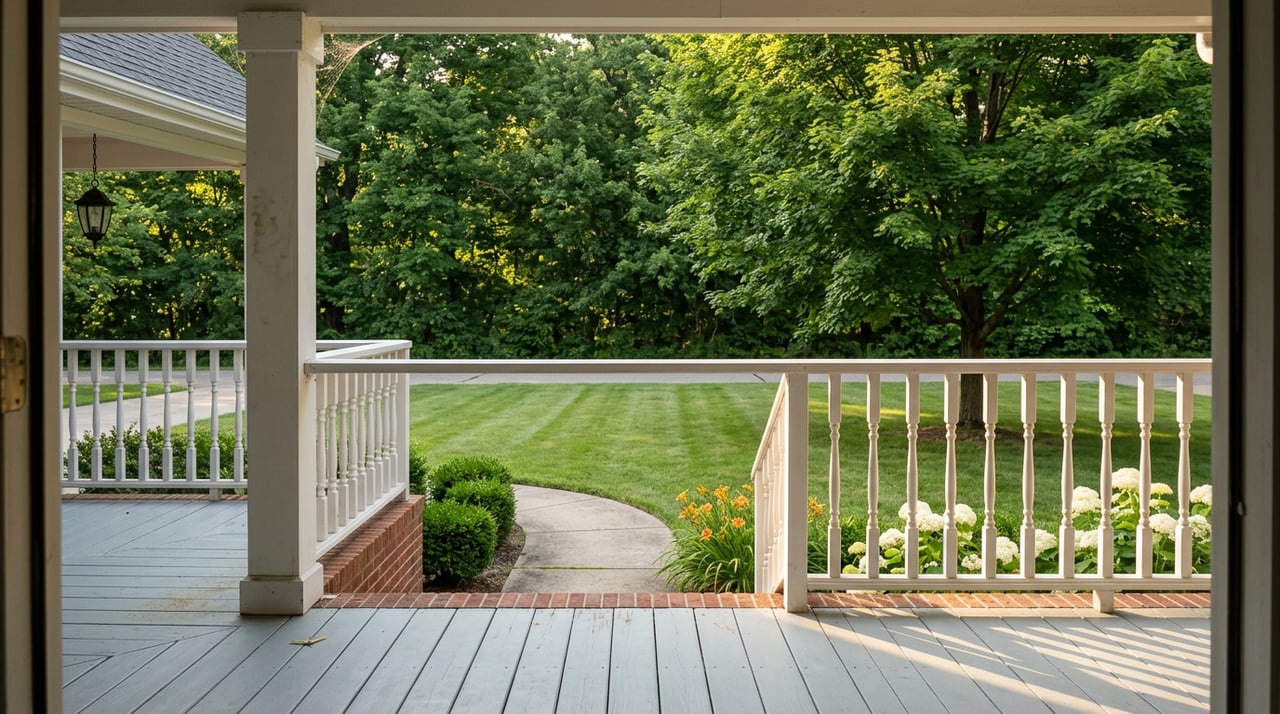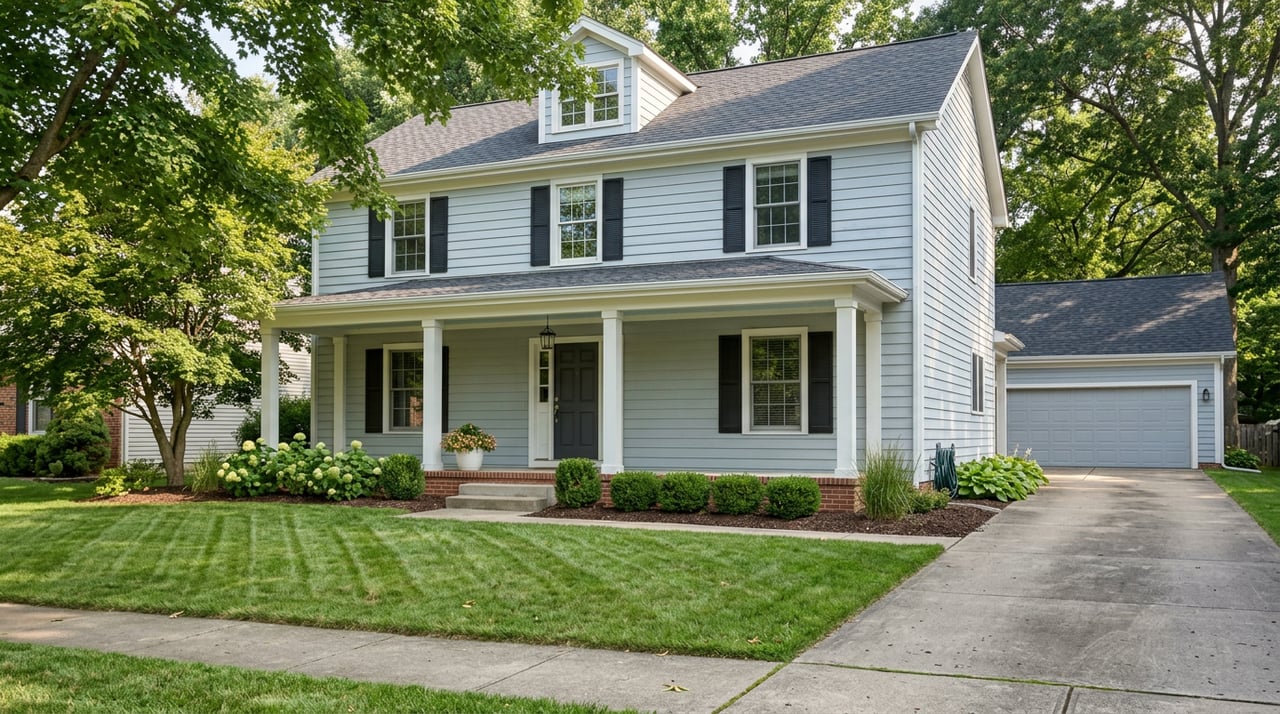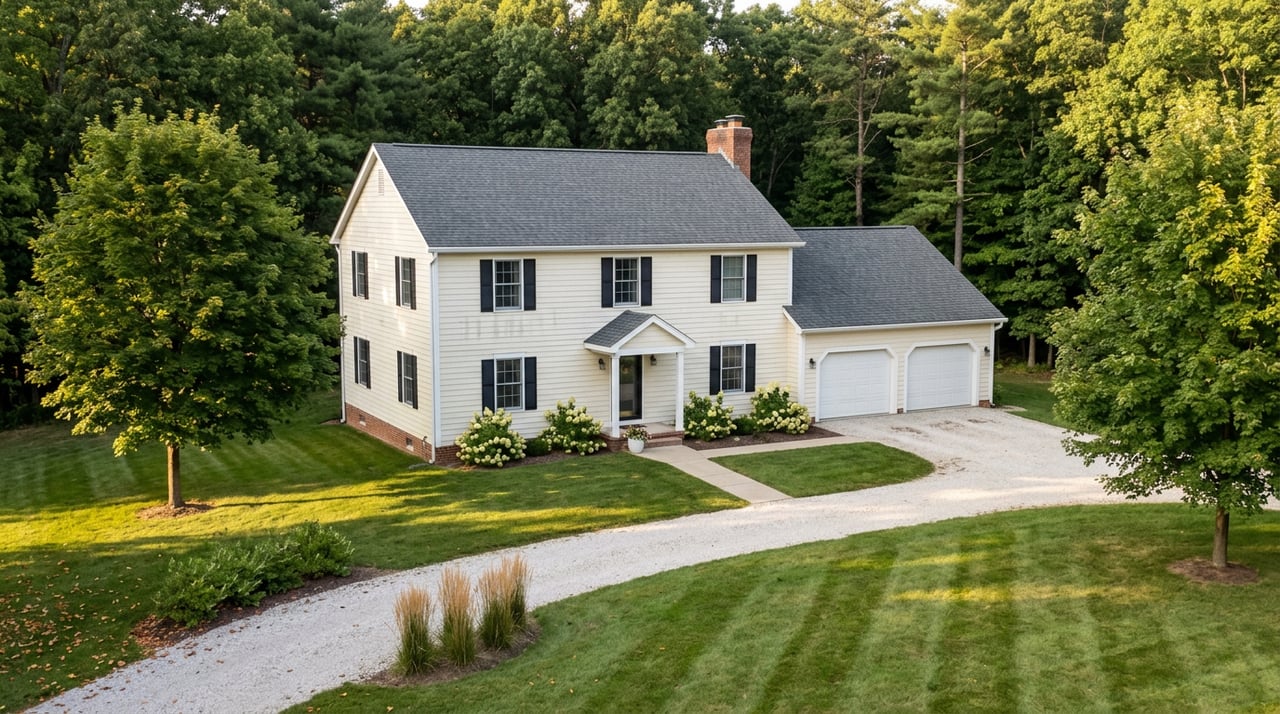
A Williamston listing on Putnam Street and a Williamston listing on a five-acre parcel off M-52 look like the same market on a portal. They are not the same transaction. One transfers under city utilities and closes on the buyer's inspection contingency. The other answers to an Ingham County ordinance that requires a certified well and septic evaluation before the deed changes hands, and that single requirement decides whether the closing calendar holds.
Sellers who understand this line before they price the home tend to net what the comps suggest. Sellers who discover it after accepting an offer tend to lose the buyer, the timeline, or both.
The Two Williamstons in One ZIP Code
The 48895 ZIP code contains two very different housing tiers, and the spread in the public data reflects it rather than hides it. Movoto reported a July 2026 median sale price of $399,900, with properties selling after 48 days on the market compared to 42 days a year earlier. Redfin, measuring the three months ending in the same window, reported a median of $280,000, up 11.9 percent year over year, with a median price per square foot of $166. The gap is not an error. Redfin's window captures the tighter in-city inventory around Grand River Avenue and the Cedar Run and Pebblebrook subdivisions. The higher Movoto figure captures the tail of township acreage sales, where houses with land in Williamston list at an average of $705,333, or about $43,061 per acre.
That upper tier is almost entirely served by private well and septic. It is also the tier where a seller inherits a second, separate closing process the in-city seller never sees.
The Ordinance Sellers Discover Too Late
In 2006 the Ingham County Board of Commissioners adopted a Point-of-Sale regulation that has quietly governed every township transfer in the county since. The county's own brochure is unusually direct about who it applies to:
Selling a home or transferring property in Ingham County means that the well and septic systems must be inspected prior to closing.
The rule authorizes private certified inspectors, certified by Ingham County, or the Health Department itself, to perform the evaluation, and individual inspectors set their own fees. There is no statewide equivalent. A 2026 review of Michigan practice confirms that the state has no statewide point-of-sale septic mandate, with authority resting instead with individual county and township health departments. Ingham County has one. Wayne and Macomb do not. That means a seller who moved into a Williamston Township acreage home from a Metro Detroit suburb has no prior experience with the mechanism now sitting on their timeline.
The Ingham County Environmental Health office is located at 5303 S. Cedar Street in Lansing, and their program contact runs through 517-887-4312. The paperwork is not optional and the buyer's lender will ask for the certification before funding.
What the Evaluation Actually Tests
A Time of Transfer inspection is not a home inspector's walk-through with a flashlight. It is a physical assessment of two systems that sit largely underground, and the sanitarian or certified private inspector is looking for specific failure modes. Expect the following:
- A pump-and-inspect on the septic tank, with the inspector examining the interior for cracks, corrosion, root intrusion, and baffle condition, since a damaged inlet or outlet baffle can allow solids to flow into the drain field and cause premature failure.
- A visual read on the drain field for standing water, saturated soil, sewage surfacing, or excessively lush vegetation, all of which point to hydraulic overload.
- A water sample from the well, tested for coliform bacteria and E. coli. A positive result does not fail the property, but it does require chlorination and a retest, and the retest sits inside the closing calendar rather than beside it.
- Confirmation of the setback distance between the well head and the drain field, which is the specific compliance point FHA and VA lenders require proof of, along with evidence that the system is functioning properly.
- Interior access, because the inspection for time of sale typically takes one to two hours from start to finish and requires access to the interior of the home.
Concrete tanks in Mid-Michigan carry their own risk profile. Concrete tanks in Michigan are susceptible to freeze-thaw cracking, especially if they were installed at shallow depths, which is why any tank installed before the last major code update deserves attention well before a listing photo is taken.
Where the Timing Breaks a Deal
The cost of the evaluation itself is modest. The cost of discovering a problem the week before closing is not. A useful frame, drawn from current Michigan pricing:
| Scope | Typical Cost | Where It Fits |
|---|---|---|
| Basic septic inspection | $150 to $300 | Pre-listing diligence, buyer-requested |
| Full pump-and-inspect | $300 to $500 | Standard offer contingency |
| Time-of-Transfer evaluation with dye and hydraulic load testing | $400 to $700 | Required by ordinance |
Under a Time-of-Transfer ordinance, the seller typically pays, and if the system fails, the ordinance usually requires repairs before the transfer or an escrow agreement to fund repairs after closing. A drain field replacement in Ingham County soils runs several multiples of the inspection itself, and the site work has to happen when the ground cooperates. A Williamston seller who accepts a spring offer with a June closing on a system that fails its dye test in April is negotiating from a very different position than one who did the evaluation in February.
There is one more timing hazard worth naming. Michigan Septic, one of the certified private inspectors in the county, tells sellers directly to plan ahead and schedule the Time-of-Sale inspection several months before closing. That is not marketing language. That is a working inspector describing a scheduling backlog.
Sellers who refuse or delay the process quietly lose access to a chunk of the buyer pool. Sellers who refuse inspections often lose FHA and VA buyers entirely, which shrinks the pool of potential offers. In a market where Movoto counted 53 homes sold in Williamston in July 2026, up from 42 last year, cutting the pool matters less at the peak of the season and matters a great deal in October.
The Move Before You List
The strongest sellers in the township tier treat the Point-of-Sale evaluation as pre-listing work rather than under-contract work. Doing it before the sign goes in the yard converts an unknown into a disclosure, and disclosure is the language a buyer's agent respects. It also lets the seller price honestly against the two comparable tracks in the market: the in-city three-month median around $280,000, where the ordinance does not apply, and the acreage tier, where a clean certification is part of what a $705,000 listing is actually selling.
The paperwork itself is straightforward. The county's well and septic program is reachable through the Ingham County Health Department at hd.ingham.org, and applications route through the Environmental Health office in Mason. A certified private inspector can run the evaluation on the seller's schedule rather than the buyer's, which is the single most valuable difference in a transaction like this one.
FAQ
Does the Ingham County Point-of-Sale rule apply to a home inside the Williamston city limits on municipal sewer? The ordinance regulates properties served by a private well or on-site septic system. A home connected to municipal water and sewer sits outside its scope. The line between city and township utilities matters more than the ZIP code.
How long is a Time-of-Transfer certification good for if my deal falls through? The county's practice is that inspections are not repeated if one has been conducted within the past year. That window gives a seller room to relist without paying twice, provided the paperwork stays clean.
What happens if the well tests positive for bacteria? A positive result does not condemn the property. The standard response is chlorination and a follow-up sample, and the Health Department will take a second sample to confirm whether the issue has been resolved. The retest adds days to the calendar, which is the argument for handling it before a buyer is in the picture.
The Williamston market rewards sellers who understand what tier of the market they are actually in. If you own a home on township acreage and are weighing a sale in the next twelve months, a private conversation about the Point-of-Sale calendar, comparable sales in your specific corner of 48895, and the pre-listing work worth doing this fall is time well spent. Shelly Hall represents sellers on both sides of the city line and can walk you through the sequence before the first showing.