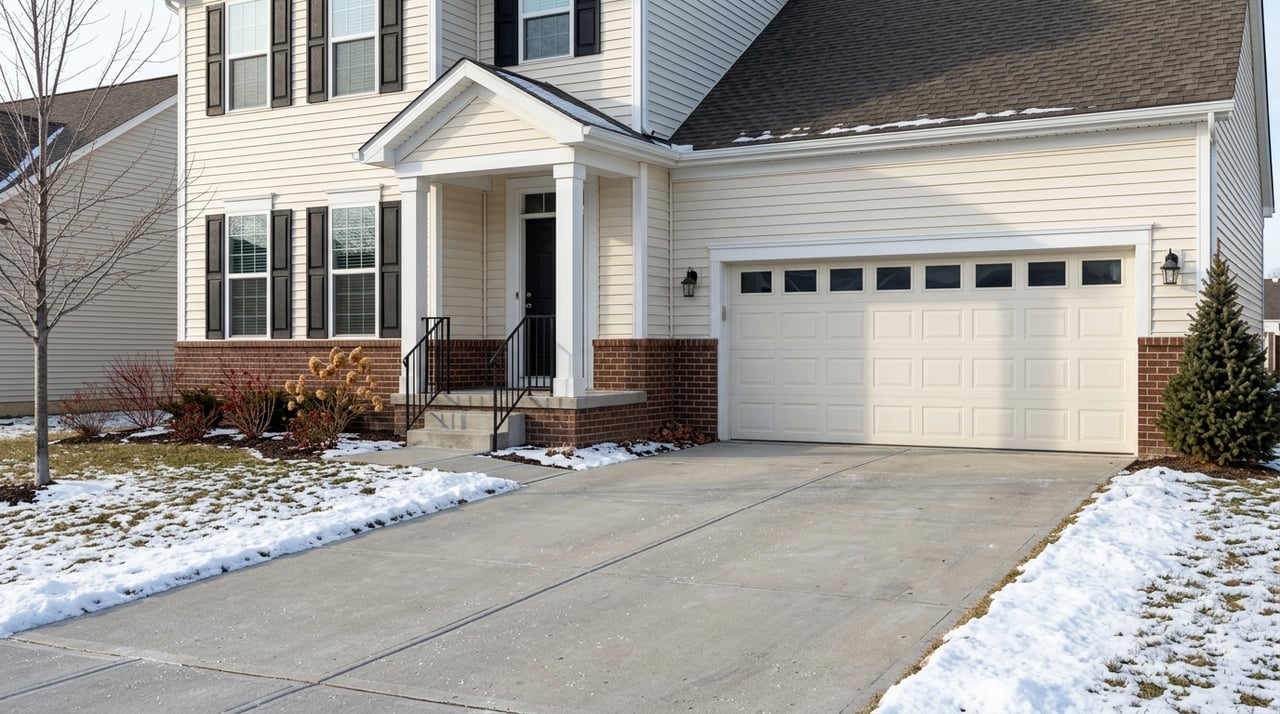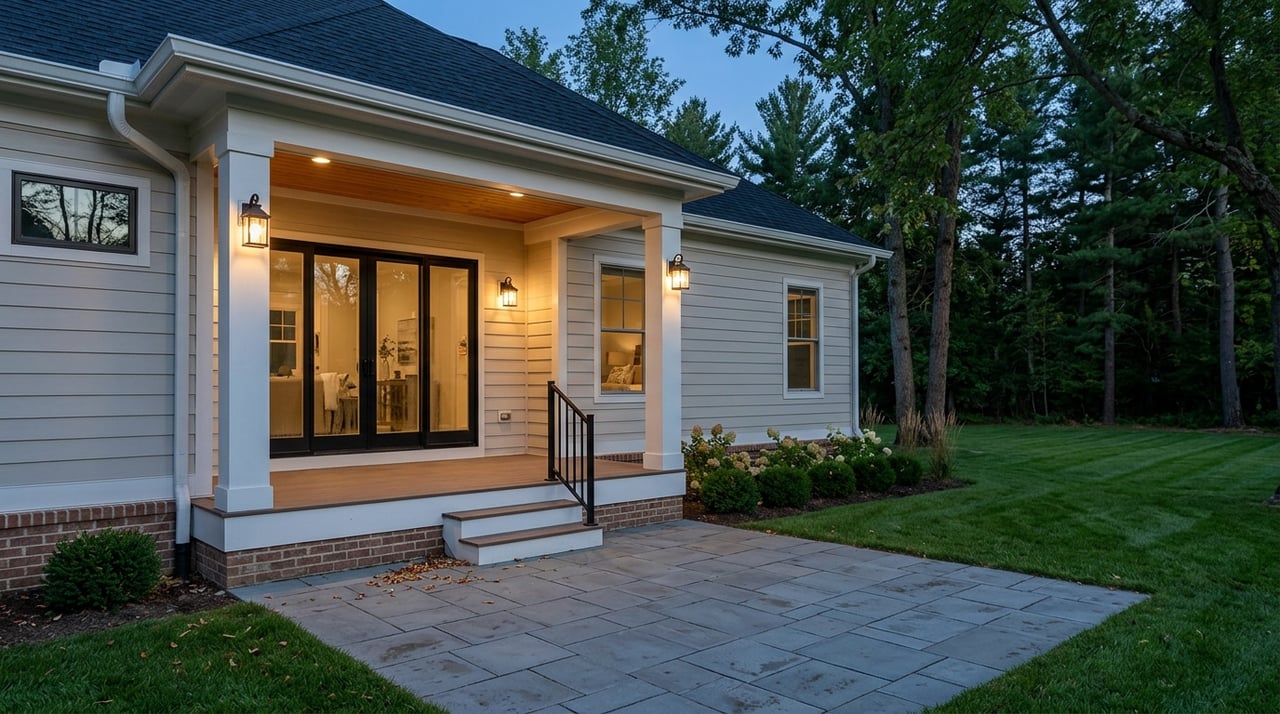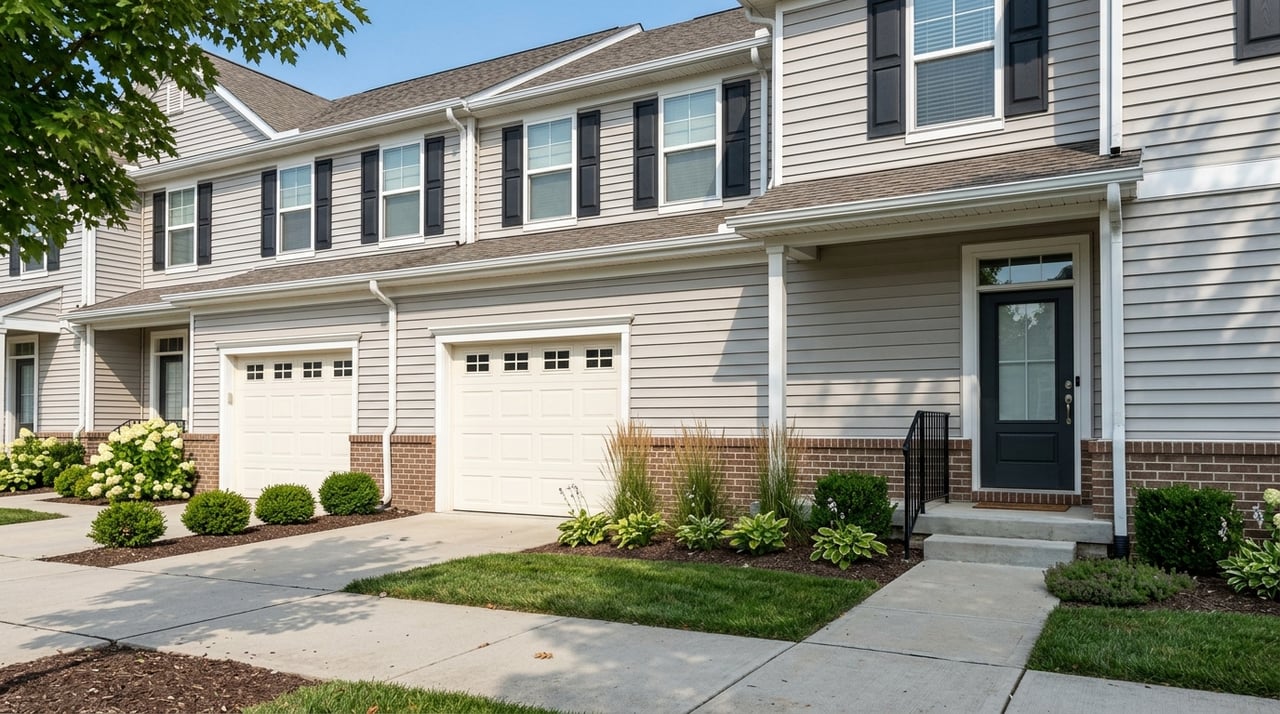
Wondering whether a condo or townhome in Haslett could make your life easier without giving up the location you want? If you are weighing convenience, monthly costs, and day-to-day upkeep, you are not alone. Attached housing can be a smart fit in Haslett, but the right choice depends on how you want to live and what you want to spend. Let’s take a closer look.
Why Haslett draws condo buyers
Haslett offers a practical mix of community amenities and regional access. The area sits mostly within Meridian Charter Township, near East Lansing, Michigan State University, and the Michigan State Capitol. Meridian Township also notes that residents have access to more than 906 acres of parks and natural areas, 29 parks, and Lake Lansing.
That location helps explain why condo and townhome living has appeal here. If you want to stay close to parks, commuting routes, and daily conveniences without taking on as much exterior upkeep, attached housing can be worth a serious look. For many buyers, that balance is the main draw.
What the Haslett condo market looks like
Haslett’s attached-housing market appears modest but active. Recent listing snapshots show roughly 20 to 30 condo listings in and around Haslett, with asking prices ranging from about $100,000 to the mid-$500,000s, depending on size, age, and location. Recent market snapshots also place Haslett’s median sale price around $305,000, with median listing prices in the mid-$300,000s.
Condo living is not new to the area. Meridian Township’s residential condominium list includes established Haslett communities such as Maple Ridge of Haslett and Pine Creek of Haslett. That suggests condo ownership has long been part of the local housing mix, not just a recent trend.
Condo vs. townhome in Michigan
In Haslett, a home marketed as a townhome is not always a separate legal category. In Michigan, what matters most is how the property is legally structured in the deed and condominium documents. A property may be a condo, a site condo, or part of a platted subdivision.
That distinction affects what you own, what the association manages, and what rules apply. Michigan condominium ownership is governed by documents such as the master deed, condominium subdivision plan, and bylaws. Before you buy, it is important to confirm exactly what type of property you are purchasing.
What you typically own
With a Michigan condo, you generally own your individual unit and share ownership of common elements with other co-owners. The association typically manages common areas and collects monthly fees and assessments. Those documents also define your rights, obligations, and restrictions.
If you are comparing properties, do not assume two attached homes work the same way just because they look similar from the outside. One community may include broader exterior maintenance, while another may place more responsibility on the owner. The documents tell the real story.
The biggest benefit: less maintenance
For many buyers, the strongest case for condo or townhome living is simpler maintenance. Attached housing often reduces the amount of exterior work you need to manage yourself. Depending on the community, monthly fees may help cover exterior repairs, common-area maintenance, and services like water, sewer, trash, or amenity upkeep.
That can be especially appealing if you want more free time and less weekend work. Instead of planning around yard projects or exterior repairs, you may prefer a more predictable routine. In a place like Haslett, that can free you up to enjoy nearby parks, Lake Lansing, and the broader Lansing and East Lansing corridor.
The tradeoff: fees, rules, and shared decisions
The convenience of attached living comes with tradeoffs. Condo and townhome owners often have less autonomy than owners of a typical single-family home. You may need to follow rules on pets, rentals, exterior changes, parking, or other day-to-day matters.
There is also the monthly cost to consider. Condo dues are usually paid separately from your mortgage, and they can materially change your total monthly housing budget. Beyond regular dues, buyers should also pay attention to reserve funds, special assessments, insurance responsibilities, and the association’s overall financial condition.
Why condo documents matter so much
Michigan’s Department of Licensing and Regulatory Affairs advises buyers to read condominium documents before signing. That includes the bylaws and related records that explain how the community operates. These documents are not just technical paperwork. They shape your ownership experience.
They can tell you whether rentals are restricted, whether pets are limited, what maintenance is covered, and how decisions get made. They can also clarify how assessments are handled and what happens if owners fall behind on payments. In Michigan, fees and assessments can become a lien on the unit, so this is an area to take seriously.
Questions to ask before you buy
When you review a Haslett condo or townhome, focus on a few key questions:
- What does the monthly fee include?
- Which utilities, services, or amenities are covered?
- How much money is in reserves for major repairs?
- Are any special assessments expected?
- Are there restrictions on pets, rentals, parking, or exterior changes?
- Will the project meet your lender’s condo review requirements?
These questions can help you compare two properties that may seem similar on the surface but carry very different long-term costs.
Reserve funds and financial health
A healthy association budget matters because shared property requires shared planning. In Michigan, condominium associations must maintain a reserve fund for major repairs and replacement of common elements. The state handbook says the minimum reserve amount is 10% of the annual budget on a non-cumulative basis.
Associations must also provide an annual financial statement to each co-owner and make books and records available for review. In general, associations with annual revenues over $20,000 must obtain an annual audit or review unless the owners vote otherwise. For buyers, that financial transparency can offer a clearer picture of how the community is managed.
Who condo living may suit in Haslett
Condo or townhome living in Haslett may be a good fit if you want a smaller maintenance load and convenient access to the surrounding area. Buyers often consider attached housing when they want proximity to Lake Lansing, township parks, and the Lansing and East Lansing corridor without the full exterior workload of a detached home.
That can appeal to a range of households. You might be buying your first home and prefer a smaller footprint. You might be downsizing and want simpler upkeep. Or you may simply value predictability more than yard work.
Budgeting beyond the list price
When you compare a condo or townhome with a single-family home, the asking price is only part of the story. You also need to factor in monthly dues, potential assessments, utility responsibilities, and any maintenance that remains your job. A lower-maintenance lifestyle can be worth it, but only if the full cost fits your budget.
Some buyers are also paying closer attention to association costs than they did in the past. National reporting has pointed to rising HOA fees, insurance costs, and special assessments as factors affecting condo demand. While national trends do not predict Haslett prices directly, they help explain why local buyers often review association finances first.
Do not overlook property tax details
If the Haslett home will be your primary residence, Michigan’s property tax rules may affect your monthly cost picture. The state says a Principal Residence Exemption affidavit filed on or before June 1 reduces taxes beginning with the summer levy. That step can make a meaningful difference for owner-occupants.
Meridian Township also provides online property and tax lookups along with annual appeal information through the March Board of Review. If you are comparing homes closely, reviewing those details early can help you build a more accurate budget.
How to decide if it is right for you
A condo or townhome in Haslett may be the right choice if you value convenience, shared maintenance, and access to local amenities more than having full control over every exterior detail. It may be less ideal if you want maximum flexibility, minimal community rules, or no monthly association dues.
The best way to decide is to match the ownership model to your lifestyle. Think about how you spend your time, how much upkeep you want to handle, and how comfortable you are with shared rules and shared financial decisions. In Haslett, there are enough attached-housing options to make that comparison worthwhile.
If you want a clear, private conversation about how condo or townhome living compares with other options in the Haslett area, Shelly Hall can help you evaluate the numbers, the documents, and the day-to-day lifestyle so you can move forward with confidence.
FAQs
What does condo ownership in Haslett usually include?
- In Michigan, condo co-owners generally own their unit and share common elements, while the association manages common areas and collects monthly fees and assessments.
What should you review before buying a Haslett townhome or condo?
- You should review the master deed, condominium subdivision plan, bylaws, fee structure, reserve information, and any rules on pets, rentals, parking, or exterior changes.
Are townhomes in Haslett always legally condos?
- No. A property marketed as a townhome may be a condo, a site condo, or a home in a platted subdivision, so you should confirm the legal structure in the deed and governing documents.
Why do condo reserve funds matter in Haslett communities?
- Reserve funds help pay for major repairs and replacement of common elements, and Michigan requires condominium associations to maintain a minimum reserve amount equal to 10% of the annual budget on a non-cumulative basis.
Can a Haslett condo be a good fit for first-time buyers or downsizers?
- It can be, especially if you want lower exterior maintenance, a smaller footprint, and access to Haslett’s parks, Lake Lansing, and nearby Lansing and East Lansing destinations.
How can property taxes affect the cost of owning a condo in Haslett?
- If the property will be your primary residence, filing a Michigan Principal Residence Exemption affidavit on time may reduce your taxes beginning with the summer levy.